
 Facebook
 X
X
 Pinterest
 Copy Link
Birdwatching in Putnam County: Best Sites and Nearby Homes for Nature Lovers
As January 2026 unfolds in Putnam County, Florida, the serene landscapes along the St. Johns River and its surrounding ecosystems beckon birdwatchers with a symphony of wings and calls. From the majestic bald eagles soaring over Welaka State Forest to the graceful great blue herons wading in the marshes of the St. Johns River, this region is a haven for nature lovers. For birdwatching enthusiasts and homebuyers alike, Putnam County’s real estate market—with a median listing price of $289,900 and a buyer-friendly 3.6-month inventory supply—offers affordable homes starting at $180,000, ideal for those seeking proximity to bird-rich habitats. Compared to St. Augustine’s $491,878 average, Putnam’s affordability is unmatched.
With home values appreciating 190% since 2015 and a median sold price of $247,000, properties near birdwatching sites combine a nature-centric lifestyle with strong investment potential. The county’s 405 homes on the market, lingering for 86 days, give buyers leverage to negotiate 5-10% off list prices, particularly for homes in bird-friendly neighborhoods. This guide, crafted by Coldwell Banker Ben Bates, highlights the best birdwatching sites in Putnam County, including Welaka State Forest and St. Johns River trails, and offers recommendations for accessible homes tailored for nature lovers, especially retirees. Targeting niche searches for Putnam County wildlife and retirement real estate, this article connects the joy of birdwatching with the benefits of homeownership in 2026.
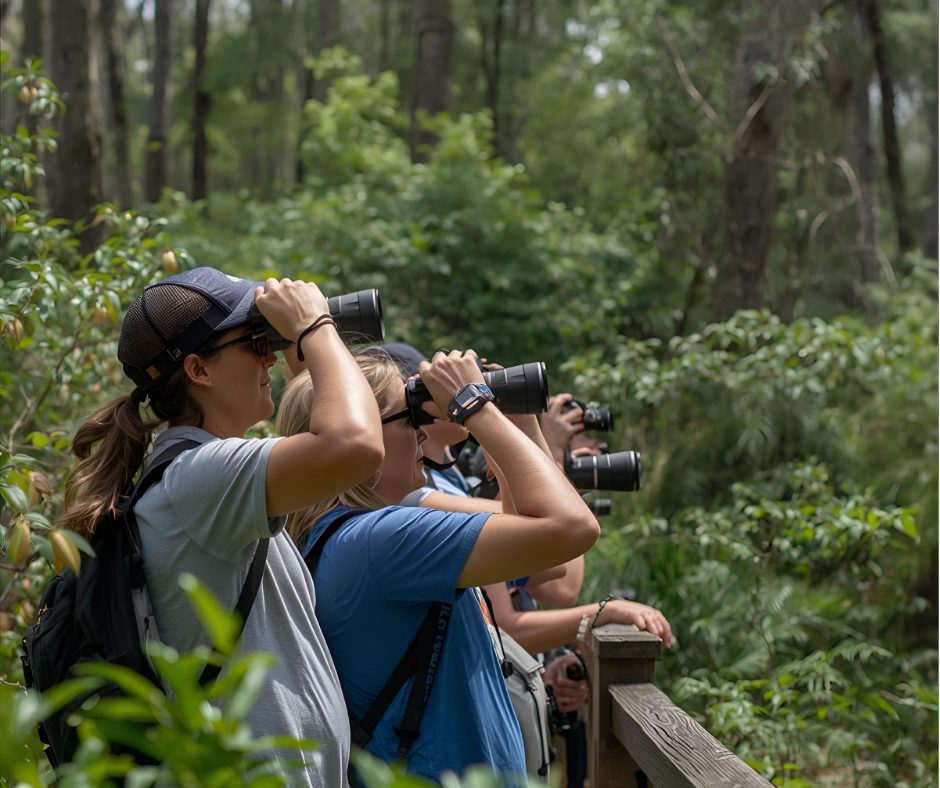
Why Putnam County is a Birdwatching Paradise
Putnam County, encompassing Palatka, Welaka, and Crescent City, is a cornerstone of the Great Florida Birding and Wildlife Trail, boasting over 50 bird species, from ospreys to black-bellied whistling ducks. The St. Johns River, one of America’s few northward-flowing rivers, creates diverse habitats—marshes, cypress swamps, and oak hammocks—that attract migratory and resident birds. In January, with mild winter lows of 48°F, the region offers ideal conditions for birdwatching, with clear skies and active flocks. Community events like the Blue Crab Festival and the Welaka Bird Count enhance the area’s appeal, drawing nature enthusiasts and fostering a sense of connection.
For homeowners, living near these sites means daily access to birdwatching from backyards or nearby trails, a lifestyle that resonates with 29% of local buyers, including retirees and families. Canal-front and inland homes near birding hotspots, priced from $180,000-$350,000, offer private viewing platforms and strong rental potential ($17,841/year via Airbnb at 42% occupancy). With Florida’s population projected to hit 25 million by 2030, Putnam’s 2-5% annual appreciation makes these homes a smart investment for nature lovers.
Top Birdwatching Sites in Putnam County
1. Welaka State Forest
- Location: Welaka, 20 minutes south of Palatka.
- Overview: This 2,287-acre forest along the St. Johns River is a birdwatching gem, featuring 10 miles of trails through pine flatwoods and cypress swamps. Home to bald eagles, red-shouldered hawks, and the rare Etoniah Rosemary, it’s a hotspot for winter migrants.
- Highlights: Spot pileated woodpeckers and barred owls in the forest’s uplands, or watch wading birds like little blue herons in adjacent marshes. The Welaka Fish Hatchery nearby boosts bird diversity.
- Tips for Birdwatchers: Bring binoculars ($50-$100) and use the eBird app for real-time sightings. Join free Audubon Society walks during the January Welaka Bird Count. Trails are easy to moderate; wear sturdy shoes. Admission is $2/vehicle.
- Homeowner Advantage: Canal-front homes in St. Johns River Estates ($200,000-$300,000) offer 0.5-acre lots and private docks, with direct trail access for daily birdwatching.
2. St. Johns River Trails (Murphy’s Creek and Dunns Creek)
- Location: Palatka (Murphy’s Creek) and Crescent City (Dunns Creek).
- Overview: These riverfront trails offer prime birdwatching along the St. Johns, with Murphy’s Creek in Palatka (2-mile loop) and Dunns Creek near Crescent Lake (4-mile out-and-back) showcasing marshes and cypress groves. Great blue herons, ospreys, and anhingas are common.
- Highlights: Murphy’s Creek, near Riverfront Park, is ideal for spotting egrets, while Dunns Creek’s narrow channels attract black-bellied whistling ducks. Both are free and accessible.
- Tips for Birdwatchers: Paddle Dunns Creek via kayak ($25/day rental) for closer views. Visit at dawn for peak activity. Download the Merlin Bird ID app for species identification.
- Homeowner Advantage: Canal-front homes on St. Johns Avenue in Palatka ($258,000-$350,000) or Mount Royal Avenue in Crescent City ($250,000-$300,000) provide private launches, perfect for birdwatching by water.
3. Ravine Gardens State Park
- Location: Palatka, 1 mile from downtown.
- Overview: This 59-acre park, with 6 miles of trails through 120-foot ravines, is a birdwatching haven, hosting wood storks, red-tailed hawks, and warblers during winter migrations.
- Highlights: The Azalea Trail offers overlooks for spotting raptors, while formal gardens attract hummingbirds. The park’s January Azalea Festival includes birding tours ($2/person).
- Tips for Birdwatchers: Bring a spotting scope ($100-$200) for distant views. Trails are easy; arrive early to avoid crowds. Admission is $5/vehicle.
- Homeowner Advantage: Homes on Madison Street ($200,000-$300,000) offer walkable access, with 1,500-2,000 sq ft layouts ideal for retirees.
4. Rodman Recreation Area
- Location: 15 minutes west of Palatka, near the Cross Florida Greenway.
- Overview: The 9,500-acre Rodman Reservoir, fed by the St. Johns, hosts wading birds like roseate spoonbills and migratory waterfowl. Free public ramps and trails make it accessible.
- Highlights: Spot sandhill cranes and limpkins near the dam. Kayak inlets ($25/day rental) for intimate views of nesting herons.
- Tips for Birdwatchers: Use a field guide like Sibley’s Birds of Florida ($20). Visit at dusk for waterfowl activity. Free Audubon walks are available.
- Homeowner Advantage: Nearby canal-front homes in East Palatka ($230,000-$300,000) offer boat access to Rodman, enhancing birdwatching opportunities.
Real Estate Opportunities for Nature Lovers
Putnam County’s 2026 market, with 405 homes and a 24.5% statewide inventory increase, favors buyers. Homes near birdwatching sites include:
- Canal-Front Homes: In Welaka’s St. Johns River Estates ($200,000-$300,000), 0.5-acre lots with docks offer river access for kayaking to birding spots.
- Single-Family Homes: Palatka’s Madison Street bungalows ($200,000-$300,000) provide 1,500-2,000 sq ft and walkable access to Ravine Gardens.
- Manufactured Homes: Satsuma’s communities ($120,000-$180,000) near Dunns Creek offer affordable layouts with bird-friendly yards.
- Condos: River Villas in Palatka ($150,000-$250,000) include HOA-covered maintenance, ideal for retirees seeking low-upkeep homes near trails.
These homes appreciate 20-30% more than inland properties, with 2-5% annual growth and $17,841/year Airbnb yields at 42% occupancy, appealing to retirees and investors.
Strategies for Buying Bird-Friendly Homes
1. Define Your Needs
- Budget: Set $150,000-$350,000, including taxes ($1,200 median) and flood insurance ($500-$1,000).
- Lifestyle: Prioritize proximity to trails or docks for birdwatching access.
- Features: Seek screened porches for viewing, single-story layouts for retirees, or large lots for native landscaping.
2. Leverage Financing
- FHA Loans: 3.5% down ($5,250 for a $150,000 condo) for 580+ credit scores.
- Hometown Heroes: Up to $35,000 for first-time buyers or veterans, covering closing costs ($3,000-$8,000).
- Seniors Exemption: Retirees 65+ with income below $36,678 save an additional $50,000 on taxes.
3. Inspect for Resilience
- Flood Protection: Ensure elevated foundations or flood vents ($500-$1,000) for 8% flood risk.
- Storm Readiness: Verify impact-resistant windows ($3,000-$8,000) or metal roofs ($5,000-$12,000).
- Humidity: Check for dehumidifiers ($200-$500) to prevent mold.
4. Work with Coldwell Banker Ben Bates
Our team offers:
- Tailored Searches: Find homes near Welaka State Forest or St. Johns River trails.
- Negotiation: Secure 5-10% discounts in a 109-day market.
- Local Expertise: Access off-market listings and guide inspections for bird-friendly properties.
5. Connect with Community Resources
- Putnam County Audubon Society: Join free birding walks.
- Local Outfitters: Book kayak tours ($25-$50) for river-based birdwatching.
- Events: Attend the Welaka Bird Count or Blue Crab Festival to connect with locals.
Challenges and Solutions
- Limited Inventory: 50-70 listings near birding sites; agents source off-market deals.
- Flood Risks: Budget for insurance and upgrades to mitigate 8% flood risk.
- Competition: 29% of buyers seek nature-rich homes; pre-approval strengthens offers.
Why Putnam County in 2026?
Putnam’s birdwatching sites, affordable homes, and no state income tax make it a nature lover’s paradise. With 2-5% appreciation, January 2026 is ideal for securing a bird-friendly home.
Conclusion: Your Birdwatching Haven Awaits
Putnam County’s Welaka State Forest and St. Johns River trails offer world-class birdwatching, paired with accessible homes for nature lovers. With Coldwell Banker Ben Bates, secure your dream home in 2026. Contact us today to start your journey.



