
Discover Georgetown: Lake George’s Hidden Fishing Hamlet
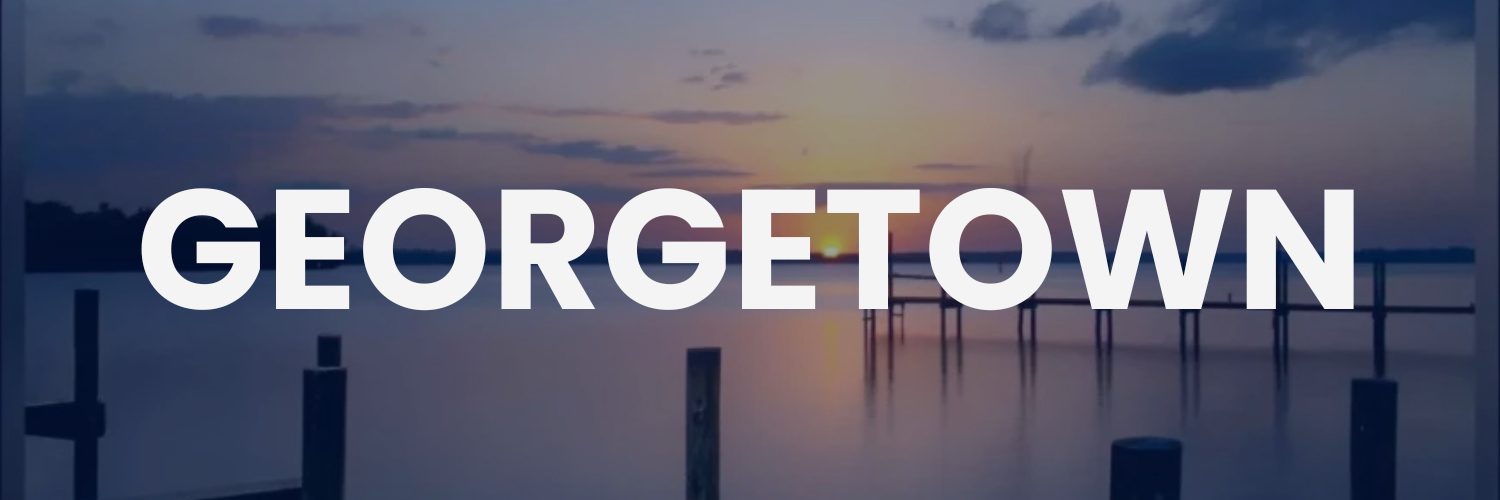
Welcome to Georgetown — Putnam County’s legendary fishing hamlet and the southern gateway to **Lake George**, Florida’s second-largest lake and one of its last true old-Florida waterfront secrets. Here, time slows to the rhythm of a bass boat at dawn, the air smells of cypress and coffee, and every home seems to have a story written in barnacles and fishing line.
Sitting at the confluence of the St. Johns River and massive Lake George (46,000 acres of prime fishing water), Georgetown is where serious anglers come to chase trophy largemouth, crappie runs that turn the lake black, and striped bass that fight like tarpon. This is the place where “gone fishing” isn’t a joke — it’s a lifestyle. With canal-front fisherman’s cabins, private docks, and direct access to some of the best bass water in the Southeast, Georgetown is the ultimate retreat for those who measure life in casts, not commutes.
At Coldwell Banker Ben Bates, we know every canal, every fish camp, and every hidden dock in Georgetown. Whether you're looking for a weekend cabin under $250K, a full-time lakefront home with a boathouse, or a cleared lot ready for your dream fish camp, we’ll put you on the water — fast.
A Brief History of Georgetown & Lake George
Georgetown began in the 1800s as a tiny fishing and trading post at the mouth of Lake George — a place where Native Americans, trappers, and early settlers gathered to harvest the lake’s legendary bounty. Lake George itself, at 46,000 acres and up to 20 feet deep, is fed by dozens of springs and drains north into the St. Johns, creating a unique ecosystem that supports monster fish year-round.
By the early 1900s, Georgetown had become a mecca for wealthy Northern sportsmen who arrived by steamboat and private railcar to fish for bass that regularly topped 10–14 pounds — numbers that still hold up today. Old fish camps with names like “Volusia Bar,” “9-Mile Point,” and “Hog Island” dotted the shoreline, and guides became local legends.
Lake George is one of the few Florida lakes where striped bass naturally reproduce — a rare hybrid fishery that draws anglers from across the country. The lake’s vast grass flats, submerged timber, and deep spring runs create perfect habitat for trophy largemouth, black crappie (specks), and schooling stripers that can turn the surface into a boiling frenzy.
Today, Georgetown remains gloriously unchanged — a place where fisherman’s cabins and stilt homes line the canals, where the general store still sells live shrimp and cold beer, and where the biggest event of the year is the annual “who caught the biggest bass” debate at the dock.
Top Things to Do in Georgetown & on Lake George
World-Class Fishing on Lake George
Lake George is a fisherman’s paradise:
- Trophy largemouth bass — regular 10–14 lb fish, with 15+ lb giants caught yearly
- Black crappie (specks) — winter runs so thick the lake turns black
- Striped bass & hybrids — natural reproduction = schooling fish up to 30+ lbs
- Bluegill & shellcracker — perfect for kids and fish fries
Launch from Georgetown’s public ramp or your private dock. Top guides like Tug of War Charters and Capt. Steve Niemoeller offer half-day trips ($400–$550) that consistently limit out.
Boating, Kayaking & Airboats
Explore 46,000 acres of open water, hidden springs, and cypress-lined shores. Airboat tours from nearby operators zip through the marshes. Kayak the calm canals at sunrise — manatees guaranteed in winter.
Salt Springs & Ocala National Forest
Just 10 minutes away: Salt Springs Run — 72° crystal-clear swimming, snorkeling, and manatee viewing in winter.
Why Choose Georgetown for Your Next Home?
Georgetown offers true waterfront living at its most authentic — fisherman’s cabins and stilt homes starting in the mid-$200Ks, many with private docks and direct access to Lake George and the St. Johns. It’s the last place in Florida where you can still buy a real fish camp with a boathouse for under $400K.
Perfect for full-time anglers, weekend warriors, retirees, or anyone who wants to live where the fishing is world-class and the neighbors wave from their boats.
Coldwell Banker Ben Bates agents know every canal, every dock, and every off-market fish camp in Georgetown. Let us get you on the water — fast.
Photo & Video Gallery + FAQs
Frequently Asked Questions
Is the fishing really that good?
Yes — Lake George consistently ranks among Florida’s top 5 bass and crappie lakes.
Can I have a private dock/boathouse?
Yes — most properties include them or have permits available.
How far is town?
Palatka: 20 min | Ocala: 45 min | Daytona: 1 hr

3400 Crill Avenue, Suite 1
Palatka FL 32177
(386) 328-6716


© 2023 Coldwell Banker Real Estate LLC
©Coldwell Banker. All Rights Reserved. Coldwell Banker and the Coldwell Banker logos are trademarks of Coldwell Banker Real Estate LLC. The Coldwell Banker® System is comprised of company owned offices which are owned by a subsidiary of Anywhere Advisors LLC and franchised offices which are independently owned and operated. The Coldwell Banker System fully supports the principles of the Fair Housing Act and the Equal Opportunity Act.
