
Discover Palatka: Putnam County's Vibrant Riverside Hub
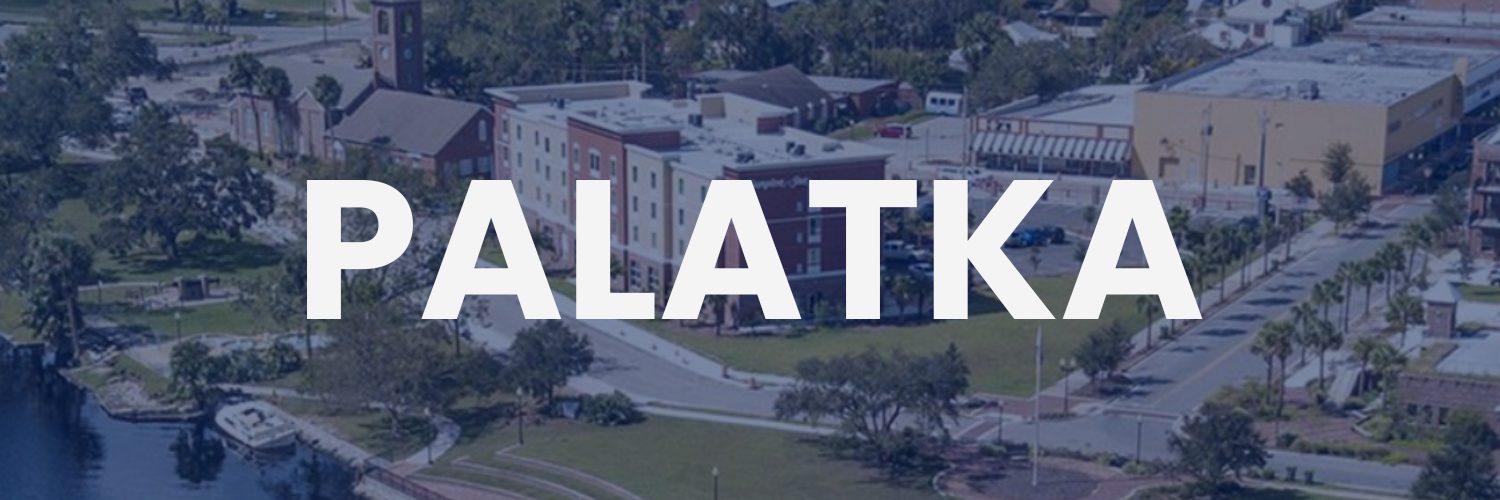
Nestled along the majestic St. Johns River, Palatka stands as the beating heart of Putnam County, Florida—a dynamic hub where history whispers through moss-draped oaks, vibrant festivals pulse with Southern energy, and the gentle lap of river waves invites endless adventure. Founded in 1821 as a humble trading post on the site of ancient Timucua villages, Palatka has evolved into a resilient community of roughly 10,500 residents, blending small-town charm with big-river allure. Imagine waking to the golden hues of dawn reflecting off the water, the air alive with the calls of herons and the distant hum of a fishing charter gearing up for the day. This is Palatka: a place where the river isn't just a waterway but a lifeline that has shaped every chapter of its story—from steamboat commerce in the 1800s to today's thriving eco-tourism scene.
As Putnam County's seat, Palatka buzzes with cultural depth and natural splendor. History buffs will revel in its antebellum landmarks and Civil War echoes, while nature lovers can lose themselves in the 22 miles of trails at Ravine Gardens State Park, where azaleas explode in a riot of pink and white each March. Outdoor enthusiasts, take note: the St. Johns offers world-class kayaking, bass fishing, and sunset cruises that rival any coastal escape. And for those craving community? Palatka's festival calendar is legendary—the Florida Azalea Festival in February draws thousands for floral parades and garden tours, while the Blue Crab Festival in May transforms the waterfront into a seafood and music extravaganza. The Catfish Festival in October caps off the year with southern-fried feasts and live bands, celebrating the river's bounty.
But Palatka isn't just for visitors—it's a launchpad for life's next chapter. Whether you're a young family eyeing affordable waterfront condos under $300K, a retiree dreaming of dockside sunsets, or an investor spotting value in this up-and-coming market (where median home prices hit $249K in June 2025, up 61.5% year-over-year), Coldwell Banker Ben Bates' experienced agents know Palatka inside out. Our team, led by Ben Bates with decades of local insight, can guide you to hidden gems like the historic waterfront district or emerging neighborhoods near top-rated schools. Relocate here for the serene lifestyle, invest in riverfront properties poised for growth, or simply embrace a community where neighbors wave from porches and the river calls you home. Dive in—Palatka's story is waiting to become yours.
A Brief History of Palatka, Florida
Palatka's story is one of resilience, woven into the fabric of Florida's wild frontier days, a saga that spans from Timucua canoes gliding silently on the St. Johns to steamboats churning through the haze of the antebellum South. The name "Palatka" derives from the Timucua word "Pilo-takita," meaning "crossing over" or "cows' crossing," a nod to the river ford that served as a vital pathway for Native Americans fishing bass and mullet amid ancient orange groves. In April 1774, British botanist William Bartram documented a thriving village here, complete with cultivated fields of corn, beans, and tobacco—evidence of a sophisticated society that predated European arrival by centuries. Yet, tragedy struck as European diseases and conflicts decimated the Timucua, leaving the site abandoned by the mid-18th century.
Florida's turbulent colonial handoffs set the stage for Palatka's rebirth. Spain ceded the territory to Britain in 1763 after the Seven Years' War, sparking a brief boom as Loyalists fled the American Revolution, swelling the population from 3,000 to 17,000 by 1784. Enter Joshua Gray, a mulatto farmer and interpreter, who claimed 1,500 acres known as the "Palatka Tract" or "Gray's Place" in the 1770s, turning it into a cattle hub for St. Augustine's markets. When Spain reclaimed Florida in 1783, Gray briefly abandoned the land, but liberal settlement policies lured him back in the 1790s. Ownership ping-ponged: Gray to Bernardo Segui in 1818, then George Flemming in 1819, amid Spain's desperate push to populate the frontier.
The U.S. acquisition of Florida in 1821 marked Palatka's true genesis. Nehemiah Brush established a ferry crossing, buying 1,200-acre tracts in 1826 and 1827, transforming the site into a bustling distribution point for inland immigrants. Incorporated in 1853 (though some records cite 1854), the town quickly became the southernmost navigable port for oceangoing vessels on the St. Johns, fueling trade in lumber, citrus, and cattle. But peace was fleeting. The Second Seminole War (1835–1842) ravaged the settlement; Seminoles burned structures in 1835, prompting the U.S. Army to erect Fort Shannon in 1838—a rare surviving outpost now part of the Putnam Historic Museum. Generals Zachary Taylor, Winfield Scott, and William J. Worth headquartered here, with young William Tecumseh Sherman and a young Ulysses S. Grant serving as officers. The war's end in 1842 brought fragile stability, but Putnam County was carved from Alachua, St. Johns, Marion, and Orange counties in 1849, with Palatka as its seat.
The Civil War tested Palatka anew. As a Confederate supply point, it endured Union raids, including a 1864 bombardment from gunboats and occupation by Federal troops who commandeered the Bronson-Mulholland House as headquarters. Postwar reconstruction sparked a golden age: railroads crisscrossed the town by the 1880s, citrus groves flourished (earning the moniker "Queen City of the St. Johns"), and tourism boomed with grand hotels like the Arlington, drawing Northern snowbirds via the Florida East Coast Railway. The 1887 Great Freeze devastated crops, but Palatka rebounded with lumber mills employing thousands and cultural institutions like the 1909 Palatka Public Library, funded by Andrew Carnegie's philanthropy.
The 20th century brought modernization and challenges. The Wilson Cypress Company mill peaked at 1,600 workers in the early 1900s, spurring the David Browning Railroad Museum's exhibits on rail heritage. Central Academy, Florida's first accredited African-American high school, opened in 1921, symbolizing educational progress amid segregation. Floods in 1937 and hurricanes tested resolve, but New Deal projects like Ravine Gardens State Park (1933) provided jobs and beauty, planting 94,000 azaleas that bloom spectacularly today. St. Johns River State College arrived in 1958, fostering arts and education, while the 1960s civil rights era saw peaceful integration.
Into the 21st century, Palatka honors its past while embracing renewal. The 25-block City of Murals project, launched in the 2000s, revitalizes downtown with over 30 vibrant artworks depicting local lore—from Seminole warriors to steamboat captains. The Putnam Historic Museum, in the 1887 Old Post Office, houses artifacts from Bartram's expeditions to Civil War relics, drawing history enthusiasts year-round. This rich heritage—forged in fire, flood, and frontier spirit—makes Palatka a timeless choice for families seeking roots in Putnam County. It's not just a place; it's a living tapestry of survival and celebration, where every corner tells a story of endurance and embrace. As locals say, "Palatka's past isn't behind us—it's the river that runs through us all."
Top Things to Do in Palatka
Outdoor Adventures
Palatka's crown jewel is the St. Johns River, a 310-mile liquid highway teeming with bass, crappie, and manatees—earning it a spot on Bassmaster's Elite Series circuit. Kick off with kayaking or paddleboarding from Riverfront Park's launch, where rentals start at $20/hour; glide through cypress-lined channels, spotting otters and eagles as the current carries you toward Lemon Bluff's hidden lagoons. Guided eco-tours with Palatka Kayak Company ($50/person) highlight bioluminescent night paddles in summer, turning the water into a starry mirror.
For hikers, Ravine Gardens State Park reigns supreme—a 94-acre Depression-era wonder with 22+ miles of trails weaving through steephead ravines formed 1 million years ago. The Azalea Trail loops 1.8 miles past 64,000+ shrubs exploding in bloom March-April, while the Waterfall Trail descends 40 feet to misty cascades—perfect for a 2-hour family trek ($6/vehicle entry). Birders tally 150+ species here, from pileated woodpeckers to warblers; pack binoculars for dawn choruses. In 2025, new boardwalks enhance accessibility, making it easier to picnic amid wild azaleas.
Fishing charters from Mulberry Cove Marina hook trophy largemouth (up to 10 lbs), with half-day trips ($300/boat) including gear and tips on hotspots like the "Honey Hole." Boating enthusiasts launch from Crill Dock ramp for sunset cruises, docking at waterfront eateries like The Classic Diner for fresh catch platters. Nearby, Rice Creek Field Laboratory offers 1,000 acres of preserved wetlands for off-grid hikes, where alligators bask and otters play—free, but guided tours ($10) reveal rare orchids.
- Pro Tip: Download the AllTrails app for GPS on Ravine Gardens' 5-mile network; spring wildflowers peak mid-March.
- Family Favorite: Rent bikes at Riverfront Park ($15/hour) for the 3-mile greenway loop—flat, shaded, and stroller-friendly.
- Adrenaline Add-On: Airboat thrills at Alligator Adventure ($40/ride) zip through marshes 10 minutes east.
These pursuits aren't just activities; they're portals to Palatka's soul, where the river's rhythm syncs with your own.
Historical & Cultural Sites
Palatka's past isn't dusty relics—it's a vibrant mosaic etched into murals, mansions, and museums that pulse with stories of pioneers and preservation. Start with the City of Murals, a self-guided tour of 30+ vibrant artworks splashed across downtown buildings, depicting Seminole lore, steamboat eras, and citrus barons—free and scannable via QR codes for audio tales. Launched in the 2000s, this open-air gallery has revitalized St. Johns Avenue, turning a stroll into a time-travel odyssey; spot the "Bartram's Grove" mural honoring the 1774 Botanist who first mapped the area.
The Bronson-Mulholland House, a Greek Revival masterpiece built in 1854, anchors Palatka's historic core—listed on the National Register since 1972. Tour its nine rooms ($5/adult, Wednesdays-Saturdays) filled with antebellum finery: crystal chandeliers, rosewood pianos, and Civil War letters from owner Judge Isaac Bronson, who hosted generals like Zachary Taylor. The attached kitchen slave quarters starkly illustrate the era's divides, while gardens bloom with heirloom camellias—echoing the 1937 flood that nearly claimed the house.
At the Putnam Historic Museum in the 1887 Old Post Office, dive into 10,000+ artifacts: Timucua pottery unearthed from Bartram's sites, Seminole War muskets from Fort Shannon (1838), and a 1920s speakeasy bar token. Free bimonthly events in 2025 include "Civil War Saturdays" with reenactments—book ahead for the September "Occupation of Palatka" drawing 700+ students annually.
The Palatka Railroad Preservation Society at the 1908 Union Depot (Amtrak stop) houses the David Browning Railroad Museum, with model trains chugging through mini-replicas of the 1880s junction that linked Jacksonville to Tampa. Interactive exhibits on the Wilson Cypress mill (peaking at 1,600 workers) and Carnegie Library (1909) highlight industrial booms; $5 entry includes a depot tour.
St. Mark's Episcopal Church (1881) and First Baptist (1890s) offer Gothic arches and stained glass evoking Gilded Age elegance—free self-tours reveal Confederate prayer books. For modern culture, the Florida School of the Arts stages student productions at the 2025-seated Little Theater, blending classical with contemporary ($15/ticket).
These sites aren't static; they're threads in Palatka's living quilt, fostering pride and progress.
Events & Festivals
Palatka's calendar is a fireworks display of community spirit, with 2025 promising record crowds for its signature shindigs—optimized for "events in Palatka" searches. The Florida Azalea Festival, marking its 77th year February 22-23, transforms downtown into a floral frenzy: 5 blocks of 200+ vendors peddle crafts and conch fritters, two stages host bluegrass and folk (headliners TBA), and free shuttle tours whisk you to Ravine Gardens' 1,000+ azalea varieties in peak bloom. Pet-friendly and family-focused, it coincides with Bassmaster Elite Series weigh-ins at Riverfront Park—book hotel blocks early for the 20,000 attendees.
Memorial Day weekend's Blue Crab Festival (May 23-25) cranks up the coastal vibe: national acts like country star TBA on the main stage, regional blues on secondary, and a kids' zone with crab-decorating crafts. Savor boils from 20 food trucks, browse 150 artisan booths, and cap nights with waterfront fireworks—free entry draws 120,000, boosting local economy by $2M annually.
October's Catfish Festival (dates TBA, typically mid-month) reels in southern soul: fried fillets from local hauls, zydeco bands, and a bass tournament with $10K prizes. New in 2025: a "Taste of the River" trail linking 10 eateries for $20 passports.
Year-round gems include Palatka Bluegrass Festival (Feb 13-15 at Rodeheaver Boys Ranch), with headliners like Del McCoury Band jamming for charity ($40/day pass). Bartram Frolic (April 11-13) honors the Botanist with trail hikes, canoe floats, and Native craft demos ($15). Monthly Art Walks (first Saturdays) spotlight Gallery Row, with live demos and wine tastings—free, linking to Florida School of the Arts exhibits.
- Budget Hack: Festivals are free; volunteer for VIP perks like backstage access.
- YouTube Tie-In: Watch Ben Bates' crowd-shot reels from 2024 Crab Fest—subscribe for 2025 live streams.
- Pro Tip: Use Visit Palatka app for shuttle schedules; events boost short-term rentals 300%.
These gatherings aren't mere dates—they're the heartbeat of Palatka, forging bonds and fueling its $50M tourism economy.
Why Choose Palatka for Your Next Home?
Palatka's real estate market in 2025 sizzles with opportunity, blending affordability, growth, and lifestyle perks that make it a smart bet for buyers—from first-timers to investors. Median home prices clocked in at $249K in June, a 61.5% leap year-over-year, driven by low inventory (90 active listings) and high demand from Jacksonville commuters (just 50 miles north). Homes sell after 164 days on average—up from 68 last year—but hot properties move in 38, fetching full ask in neighborhoods like North Historic District (median $285K, Victorian gems) and Riverfront (waterfront condos under $300K with dock slips). Emerging spots like Cypress Knolls offer entry-level ranches at $180K with big yards, while Palatka Highlands suits families with modern builds averaging $320K.
Lifestyle shines: Affordable riverfront living pairs with a 1-hour Jacksonville commute via I-95, ideal for hybrid workers. Top schools include Palatka High (7/10 GreatSchools rating, strong STEM programs) and Ochwilla Elementary (8/10, focus on arts integration via Florida School of the Arts partnerships). Low crime (safer than 40% of Florida cities) and a 13.8% unemployment rate (better than Palm Coast's 16.6%) underscore stability. Retirees love the $1,200/month median utilities and 200+ sunny days; families rave about parks like Larry Van Trees (playgrounds, disc golf).
Investors eye 5.9% appreciation since January ($222K median sale), with waterfront parcels yielding 8% rental ROI via Airbnb during festivals. Eco-upgrades like solar incentives cut costs 20%. Best neighborhoods? Historic Downtown for walkable vibes (shops, murals); West End for value (fixer-uppers at $150K); East Palatka for river access (median $210K).
Browse Palatka homes for sale on benbates.com—filter by waterfront or schools. Contact our knowledgeable team at Coldwell Banker Ben Bates for a personalized tour; Ben's 30+ years negotiating deals ensure you snag the best. Why wait? Palatka's market is ripe—secure your slice of riverside paradise today.
Photo & Video Gallery + FAQs
Frequently Asked Questions
What are the top attractions in Palatka, FL?
Palatka's must-sees blend nature and heritage: Ravine Gardens State Park for azalea hikes, Riverfront Park for riverfront relaxation, the City of Murals for self-guided art tours, and Bronson-Mulholland House for antebellum insights. Don't miss St. Johns fishing charters or the Putnam Historic Museum's artifacts.
When is the best time to visit Palatka?
Spring (March-April) shines for the Azalea Festival and blooming gardens, with mild 70s temps ideal for trails. May's Blue Crab Festival amps up summer vibes, while October's Catfish Festival offers fall comfort (60s-80s). Avoid July-August heat (90s+ humidity).
How do I buy a home in Palatka?
Start with a free market analysis from Coldwell Banker Ben Bates—our agents specialize in职务 waterfront deals under $300K. Pre-approve via local lenders (rates ~6.5% in 2025), then tour via IDX on benbates.com. Expect 164-day market time; we negotiate to close fast.
What are Palatka's school ratings?
Palatka High scores 7/10 on GreatSchools for academics; Ochwilla Elementary (8/10) excels in arts. Putnam County district invests $10M in 2025 upgrades, including STEM labs—strong for families.
Is Palatka a good investment in 2025?
Yes—61.5% price growth to $249K median signals upside, with 5.9% appreciation projected. Low inventory favors sellers, but buyers snag deals in emerging areas like Cypress Knolls (8% ROI potential).
What neighborhoods suit retirees?
Riverfront and North Historic offer condos with docks ($200K-$280K), low taxes ($2,500/year), and trails—proximity to clinics like UF Health (20 miles) seals the deal.
Ready to Call Palatka Home?
Sign up for our newsletter for the latest listings, or schedule a private tour today.
Contact Ben Bates Today


